
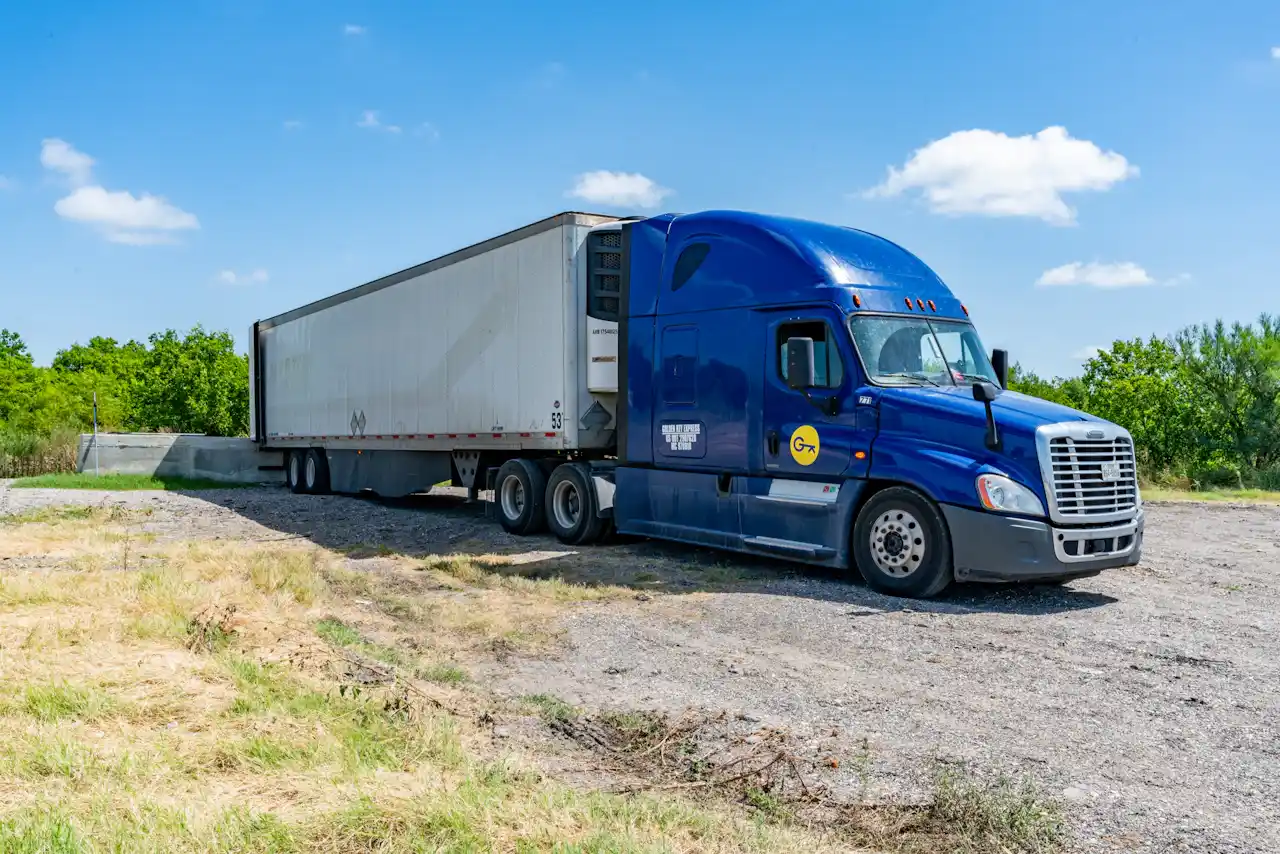
Your semi-truck breaks down on I-70, and traffic continues rushing past your trailer. Your first instinct might be to inspect the problem or get the truck moving again, but a few wrong decisions can make an already dangerous situation worse. Knowing what to avoid while waiting for heavy-duty roadside assistance helps protect you, your equipment, and everyone nearby.
Why Do Roadside Breakdown Mistakes Put Truck Drivers at Risk?
A commercial truck breakdown creates hazards that drivers don't always anticipate. Limited shoulder space, poor visibility, and passing traffic can turn a routine mechanical problem into a serious safety concern.
Calling for heavy-duty roadside assistance services early helps you get professional support while avoiding unnecessary risks. However, what you do while waiting matters just as much. Some mistakes can cause additional mechanical damage, delay repairs, or expose you to moving traffic.
Stopping Your Truck in an Unsafe Location
Pulling over at the first sign of trouble seems reasonable, but where you stop makes a major difference.
A narrow shoulder, highway ramp, or blind curve can leave your truck dangerously close to moving vehicles. Heavy-duty trucks also require considerable room for service technicians to work safely.
If your truck is still controllable and operating it won't worsen the problem, look for a safer stopping location.
Keep these precautions in mind:
- Choose a safe shoulder: Move as far from active traffic as safely possible.
- Avoid blind curves: Other drivers need enough visibility to react.
- Stay clear of intersections: Don't stop where your trailer blocks turning traffic.
- Use designated parking areas: Truck stops and rest areas may provide safer options when reachable.
- Avoid unstable ground: Soft shoulders can become hazardous under a loaded trailer.
If your truck develops a critical mechanical failure, don't continue driving simply to reach a better location.
Forgetting to Warn Approaching Drivers
A disabled semi-truck can be difficult to recognize until another vehicle gets dangerously close. Poor weather, nighttime conditions, and heavy traffic make visibility even more important.
Activate your hazard warning lights as soon as it's safe and appropriate.
For commercial vehicles equipped with required emergency warning devices, follow applicable federal regulations for placement and timing.
Important precautions include:
- Activate your four-way hazard flashers.
- Place reflective warning triangles when required and safe to do so.
- Wear high-visibility clothing if you must exit.
- Avoid standing between your truck and passing traffic.
- Never enter an active traffic lane to retrieve equipment.
The correct placement of warning devices depends on road conditions, visibility, and the surrounding environment.
If traffic conditions make exiting dangerous, remain in a safer position and request emergency assistance when necessary.
Attempting Dangerous Roadside Repairs
A loose hose or damaged tire might look like something you can handle yourself. However, repairing heavy-duty equipment beside moving traffic introduces risks that aren't present in a controlled shop environment.
Heavy components, pressurized systems, and unstable ground can turn a minor repair into a serious injury.
Avoid attempting the following without proper training, equipment, and safe working conditions:
- Working underneath an unsupported truck or trailer
- Removing a damaged commercial truck tire
- Opening a pressurized cooling system while hot
- Handling damaged electrical cables
- Disconnecting pressurized air system components
- Attempting repairs near moving traffic
Emergency truck repair requires equipment suited to the vehicle's weight and mechanical systems.
A professional technician can assess the breakdown and determine whether the repair is suitable for the roadside.
Continuing to Operate a Damaged Engine
Restarting a stalled truck repeatedly can make certain mechanical problems worse. Low oil pressure, overheating, and serious fuel system faults may cause additional damage if the engine keeps running.
Watch for warning signs such as:
- Engine overheating warnings
- Low oil pressure alerts
- Unusual knocking or grinding noises
- Significant coolant or oil leaks
- Excessive smoke
- Repeated engine shutdowns
An overheated engine can suffer cylinder head damage, while insufficient oil pressure may damage crankshaft bearings.
Shut the engine down when critical warnings require it, and follow the manufacturer's instructions.
Avoid restarting until the underlying problem has been assessed.
Providing Incomplete Breakdown Information
Calling for help without enough information can delay mobile truck repair services.
A dispatcher needs to understand your location, equipment type, and mechanical symptoms to coordinate an appropriate response.
Before calling, gather the following information when safely available:
- Exact location: Highway number, direction of travel, mile marker, or nearby exit
- Truck information: Make, model, and approximate model year
- Trailer details: Trailer type and whether you're hauling a load
- Breakdown symptoms: Warning lights, unusual noises, leaks, or tire damage
- Accessibility: Shoulder conditions, parking restrictions, and traffic hazards
- Contact information: A working phone number and reliable callback method
For example, saying your truck broke down on I-71 near Columbus is less helpful than providing the direction of travel and nearest exit.
Accurate details help technicians prepare for the actual problem rather than arriving without suitable tools or replacement components.
Leaving Your Truck Unsecured
A parked tractor-trailer can still move unexpectedly if it isn't secured correctly. This becomes especially dangerous on grades or uneven shoulders.
Apply the parking brakes and follow your vehicle's shutdown and parking procedures.
Additional precautions include:
- Keep the transmission in the appropriate parked or secured condition.
- Use wheel chocks when required and safe to place.
- Avoid disconnecting your trailer on an unsafe shoulder.
- Secure your cab and valuables if you must leave.
- Stay away from the space between the tractor and trailer during unsafe conditions.
A truck experiencing an air brake malfunction requires particular caution. Never assume the braking system will operate normally after a pressure-related failure.
Proper roadside breakdown safety starts with preventing the equipment from creating another hazard.
Ignoring Traffic and Weather Conditions
Columbus highways can become particularly challenging during heavy rain, snow, and freezing conditions.
Drivers dealing with a breakdown along I-70, I-71, or I-270 should consider visibility, roadway conditions, and passing traffic before stepping outside.
For safer roadside emergency procedures:
- Remain inside the cab when it provides the safest available protection.
- Exit on the side away from traffic when possible.
- Keep a safe distance from passing vehicles.
- Avoid standing behind or directly in front of your truck.
- Report dangerous traffic exposure when requesting assistance.
If your truck presents an immediate hazard, contact emergency services.
Safe roadside incident management involves assessing the surrounding risks rather than focusing entirely on the mechanical failure.
Failing to Prepare for the Technician's Arrival
Once you've requested assistance, a few simple steps can make the service visit more efficient.
Gather useful vehicle information and record the symptoms while they're still fresh in your memory.
Helpful preparations include:
- Keep your phone charged and accessible.
- Have your truck's identification details available.
- Write down any warning messages or fault codes.
- Take photographs of visible damage only when safe.
- Inform dispatch if your location or conditions change.
- Keep the repair area clear of unnecessary equipment.
Clear communication is especially helpful during semi-truck roadside repair, where technicians may need specific parts or specialized tools.
Effective commercial vehicle breakdown management also involves coordinating with fleet managers, dispatchers, and drivers so everyone understands the repair status.
How Can Truck Drivers Reduce Roadside Breakdown Risks?
Preparation makes roadside emergencies easier to manage, particularly for trucks traveling regularly through central Ohio.
Before each trip, complete a thorough pre-trip inspection and address any visible mechanical problems.
Pay close attention to:
- Tire condition and inflation pressure
- Engine oil and coolant levels
- Air brake system performance
- Exterior lights and warning devices
- Air lines and visible fluid leaks
- Battery condition and charging system warnings
Keep emergency contact information accessible and make sure required warning equipment is serviceable.
Regular heavy-duty truck maintenance won't eliminate every breakdown, but it can help identify problems before they leave you stranded.
Get Heavy-Duty Roadside Assistance Today
Avoiding unsafe stopping locations, unnecessary repairs, and poor communication can make a roadside breakdown significantly easier to manage. Staying visible, securing your equipment, and reporting accurate information help reduce risks while you wait.
Truck N Trailer Roadside provides heavy-duty roadside assistance in Columbus, Ohio, helping drivers respond to unexpected truck and trailer problems. Contact the team when you need roadside repair support and want to get your equipment back in service.